
How UK Players Can Spot Trustworthy Crypto Casinos in 2026: A Safety and Responsible Gambling Guide
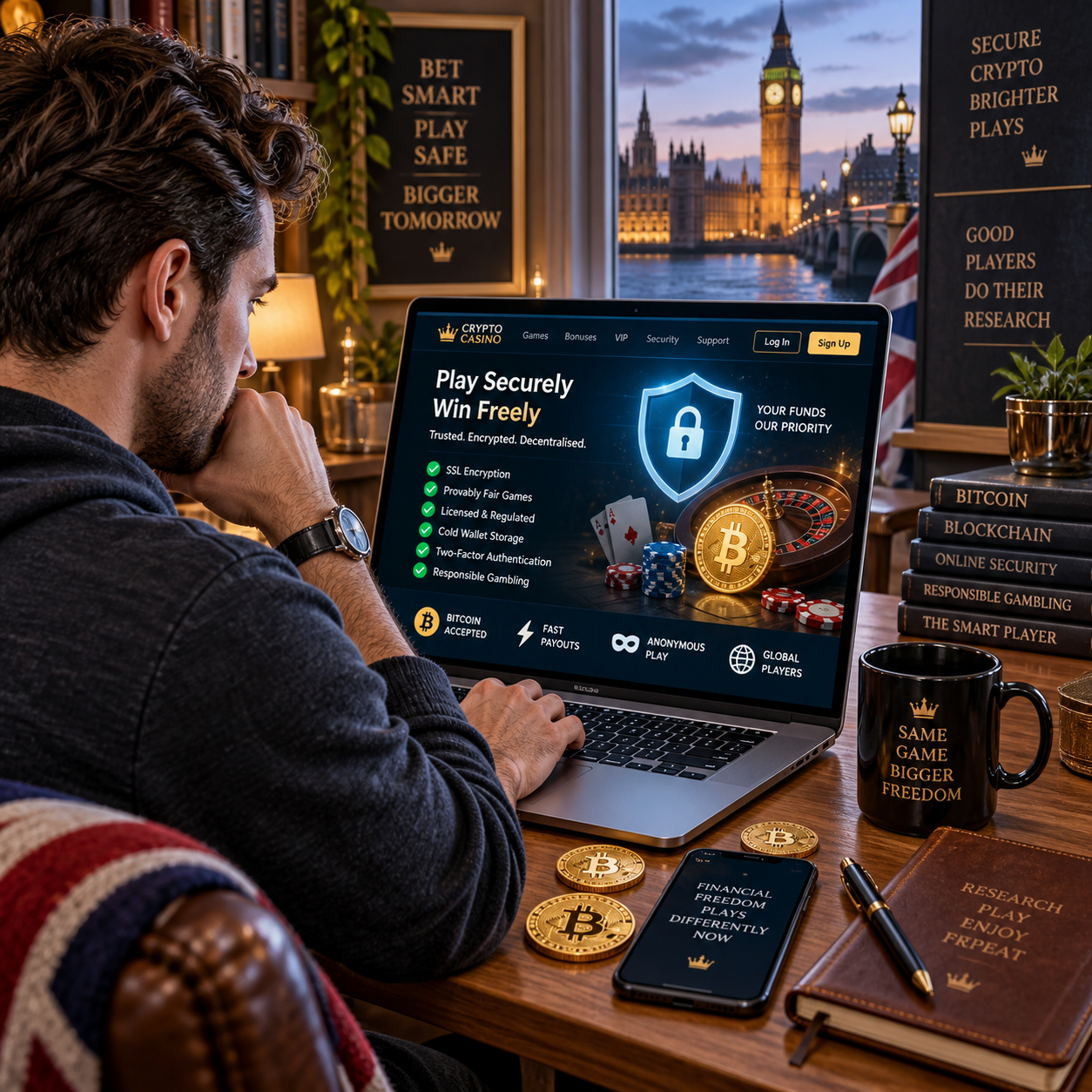
Crypto casinos have quietly turned into one of the fastest-growing corners of the UK online gambling market. I've spent time on gambling forums just watching the conversation, and it's always the same story—players swapping tales about Bitcoin withdrawals landing before their tea's gone cold, or Ethereum deposits clearing almost instantly. The appeal isn't complicated. Speed. A bit of privacy. Access to platforms that sit outside the usual high-street banking rails.
But here's what nobody mentions when you're dazzled by instant payouts: decentralisation cuts both ways. The same features that make crypto casinos attractive—pseudonymity, borderless operation, barely any middlemen—also make it genuinely hard to tell a legitimate operator from an outfit that'll vanish with your wallet balance the second things get awkward. I've dug through this space for a fair chunk of time now, and I wanted to hand UK players something practical here. Not another surface-level review, but a real framework for telling trustworthy platforms apart from the risky ones, without losing sight of responsible gambling along the way.
What Are Crypto Casinos, and Why Are They Growing in the UK?
At the core, crypto casinos accept digital currencies—Bitcoin, Ethereum, and increasingly stablecoins like USDT—for deposits and withdrawals. Plenty pair this with 'provably fair' game mechanics, a cryptographic method that lets you verify game outcomes weren't rigged after the fact. Clever tech, honestly. It's a big reason these platforms have built such a loyal following.
UK players gravitate toward them for a few practical reasons. Withdrawals that clear in minutes instead of days. Lower fees than card processing usually charges. And the ability to gamble without routing everything through a bank account that might flag—or outright block—gambling transactions the moment it spots the word 'casino' in a memo line.
How Crypto Casinos Differ from Traditional Online Casinos
Traditional UK-facing casinos typically operate under strict UKGC licensing, with payments running through familiar card networks or e-wallets, and identity verification built in from day one. Crypto casinos flip that on its head. Many are licensed offshore, payment processing happens on-chain—fast, but pseudonymous—and KYC checks can range from thorough to practically nonexistent, depending on the operator's jurisdiction and how much risk they're willing to swallow.
The UK Regulatory Landscape for Crypto Gambling
The UK Gambling Commission hasn't exactly rolled out the red carpet here. Its stance stays cautious, and honestly, very few UKGC-licensed operators accept cryptocurrency directly for stakes. Most that do run under offshore licences instead—commonly Curaçao, occasionally Malta. That creates a legal grey zone: playing at an offshore crypto casino isn't illegal for a UK resident, but you're stepping outside the protective bubble UK licensing normally gives you. Worth sitting with that for a second before you deposit anything.
Why UKGC Licensing Still Matters
A UKGC licence isn't just a badge sitting in a website footer. It guarantees access to independent dispute resolution (ADR), mandatory participation in GAMSTOP self-exclusion, and strict rules about keeping player funds separate from operational cash. Offshore crypto casinos might offer none of that.
So if something goes wrong, your options for recourse shrink. Fast.
Key Signs of a Trustworthy Crypto Casino
So how do you actually vet one of these platforms before committing your crypto? Here's the checklist I run through, every single time—no exceptions, even when I'm itching to just get playing:
- Verifiable licensing information, ideally with a clickable registration number you can check against the regulator's database
- Transparent, testable provably-fair algorithms rather than vague claims of 'fairness'
- Independent third-party audits from recognised testing labs
- Clear, unambiguous terms on withdrawal limits and processing times—no buried fine print
- Responsive, genuinely helpful customer support (test this before you deposit, not after)
- Publicly viewable blockchain transaction records, which is a trust signal unique to crypto platforms
That last point deserves a bit more attention, I think. Because crypto transactions live on public ledgers, a legitimate operator usually has nothing to hide about wallet movements. An operator that obscures this, or won't explain its cold storage practices? That's worth raising an eyebrow at.
Reading Provably Fair Certificates
Provably fair systems typically combine a server seed, a client seed, and a nonce, all hashed together to generate outcomes. Reputable platforms let you verify the hash before and after a game round, confirming nothing got tampered with along the way. If a site can't explain this clearly—or if the verification tools are buried behind jargon with no working demo—treat that as a warning sign. Not a minor technicality.

Red Flags and Common Mistakes UK Players Make
Some warning signs are obvious once you know what you're looking for. No visible licence anywhere on the site. Bonus offers promising unrealistic returns. Withdrawal policies that shift depending on who you ask on a given day. And—somewhat counterintuitively—a complete absence of KYC checks even when large sums are involved.
That last one might feel like a convenience. In practice, it's often a red flag for money laundering exposure instead, and that can put your own funds at legal risk too, not just the operator's reputation.
On the player side, the mistakes tend to repeat themselves. Skipping the terms and conditions entirely. Chasing losses because crypto withdrawals feel instant and frictionless—so why not just try again? Neglecting basic wallet security, too: reusing passwords, skipping two-factor authentication, leaving large balances sitting in exchange wallets instead of something more secure.
Responsible Gambling Tools and Support Resources
Reputable crypto casinos, much like their fiat counterparts, should offer deposit limits, self-exclusion tools, and reality check pop-ups reminding you how long you've actually been playing. These aren't just regulatory box-ticking exercises. They genuinely help, and I say that having actually used a few of them mid-session.
There's also a growing body of academic and public-health research looking at how gambling behaviour shifts in digital and crypto environments—particularly among younger, tech-savvy players drawn to the novelty and speed of these platforms. The EU-funded POWERBASE project is one initiative worth knowing about here. It focuses on evidence-based approaches to preventing gambling-related harm, and its research increasingly touches on risk factors specific to crypto casinos and other digital gambling formats. If you're interested in the bigger picture beyond individual platform reviews, it's genuinely worth bookmarking.
Practical Safety Checklist Before You Deposit
- Verify the operator's licence directly with the issuing regulator, not just the casino's own claims
- Test customer support with a real question before you deposit anything
- Check independent reviews for actual withdrawal history, not just marketing testimonials
- Confirm wallet compatibility and whether the platform supports your preferred blockchain network
- Start with a small deposit to test the withdrawal process end-to-end
- Set personal deposit and time limits before you start playing, not after
FAQ
Are crypto casinos legal for UK players?
Playing at an offshore-licensed crypto casino isn't illegal for UK residents, but it exists in a legal grey area with fewer consumer protections than UKGC-licensed sites.
Can I get scammed using crypto at a casino?
Yes. Crypto's irreversible transactions make scams particularly costly, since there's usually no chargeback mechanism once funds leave your wallet.
What happens if a crypto casino disappears with my funds?
Without UKGC oversight, recourse is limited. Some players pursue complaints through offshore regulators, but outcomes vary widely and recovery isn't guaranteed.
How do I self-exclude from crypto gambling sites?
GAMSTOP only covers UKGC-licensed operators, so for offshore crypto casinos, you'll need platform-specific self-exclusion tools or third-party blocking software instead.
Conclusion
Trustworthiness in the crypto casino space comes down to transparency, verifiable licensing, and genuine responsible gambling safeguards—not flashy bonuses or marketing promises. UK players who take the time to check licensing, test provably fair systems, and set personal limits before depositing put themselves in a much stronger position, and it doesn't take much extra effort to get there.
Pair that technological literacy with awareness of resources like self-exclusion tools and harm-prevention research, and you've got a real answer to how safe crypto gambling actually works in practice. Not a guarantee. Just a solid, workable approach that's held up in my own experience testing this space.