
How Crypto Casino Platforms in the UK Are Investing in Green Energy: The Rise of Biogas-Powered Data Centres
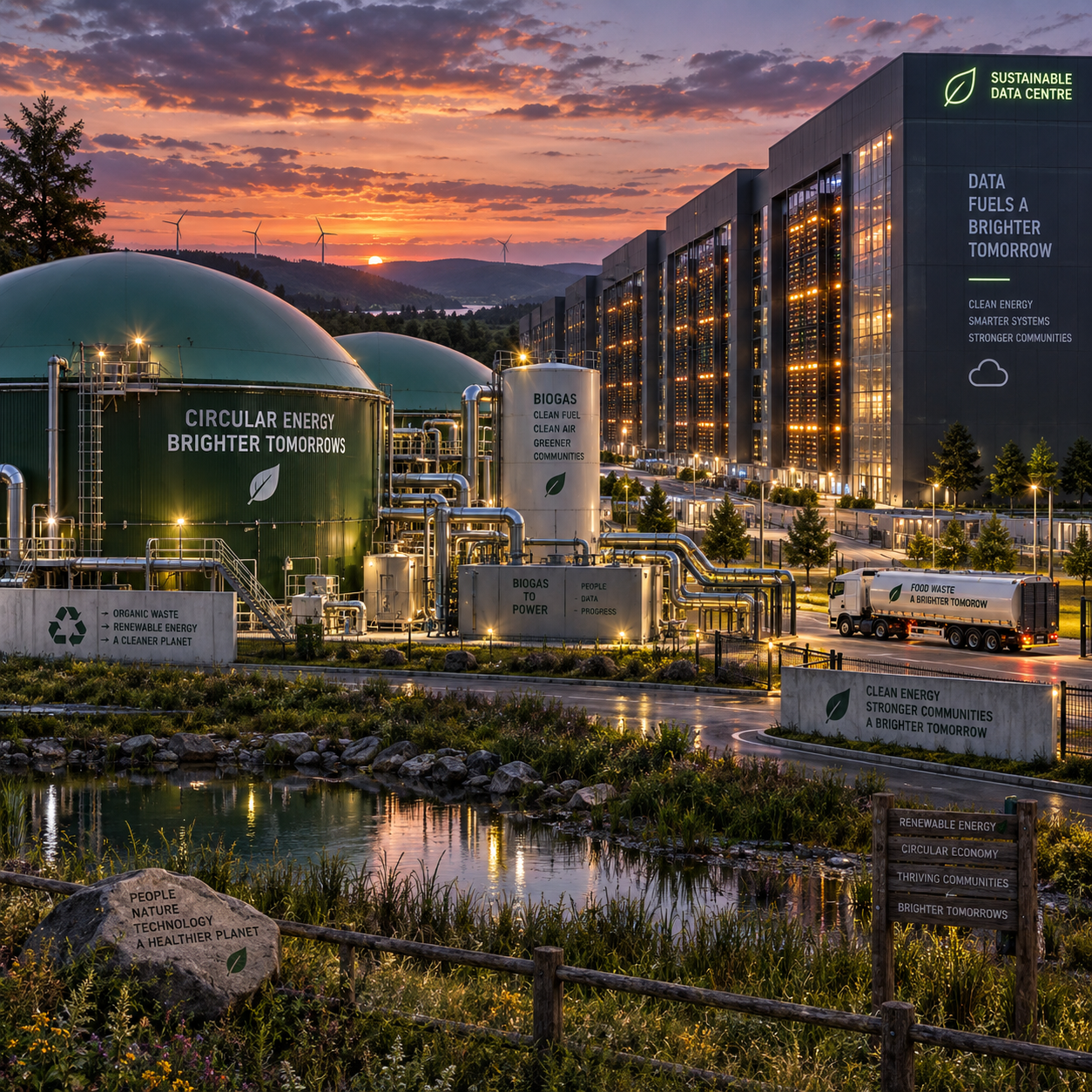
I've spent a good chunk of the last year digging into how digital gambling infrastructure actually gets powered, and honestly, the numbers surprised me. The UK's online gambling sector has never faced this level of environmental scrutiny before, and crypto-based platforms are right at the centre of that conversation. Between blockchain verification, live streaming, and the sheer computing muscle needed to keep everything running around the clock, these operators are quietly becoming some of the biggest energy consumers in the entertainment tech space. What's interesting is that a handful of forward-thinking platforms are now looking past solar panels and wind subsidies toward something less flashy but arguably more practical: biogas. In 2026, this shift is starting to feel less like a PR exercise and more like a genuine operational strategy.
The Environmental Footprint of Crypto Casinos
Anyone who's worked in or around online gambling knows the energy demands aren't trivial. Crypto casinos in particular carry extra weight because every wager, deposit, or payout often involves blockchain confirmation, which adds computational overhead that traditional fiat-based platforms simply don't have. Add to that the live dealer streams running in high definition, the constant matchmaking for multiplayer games, and the requirement for near-zero downtime, and you start to see why these platforms lean so heavily on power-hungry server farms.
The UK has been tightening its grip on carbon accountability across tech and gambling alike. The Gambling Commission has started asking harder questions about sustainability commitments, and broader government policy around net-zero targets is trickling down into how digital infrastructure gets built and licensed. It's no longer just about compliance on paper—operators are being asked to show their working.
Why Data Centres Are the Biggest Energy Drain
If you strip away the marketing gloss, the real energy sink sits inside the data centre. Blockchain verification alone can be computationally intensive, especially when multiple confirmations are needed for withdrawals. Layer on live dealer streaming, which requires constant video encoding and low-latency delivery, and you've got a system that never really rests. Traditional online casinos have some of these demands too, but crypto platforms tend to run heavier due to decentralized verification processes and the need for redundant, always-available nodes.
What Is Biogas and Why It's Gaining Traction
Biogas is produced when organic waste—think agricultural residue, food scraps, or municipal sewage—breaks down in an oxygen-free environment. The process releases methane-rich gas that can be captured and converted into usable electricity or heat. What makes biogas particularly appealing compared to solar or wind is its consistency. Solar drops off at night, wind fluctuates with weather patterns, but biogas plants can theoretically run continuously as long as there's a steady feedstock supply. For an industry that never switches off, that reliability matters enormously.
How Biogas-Powered Data Centres Work
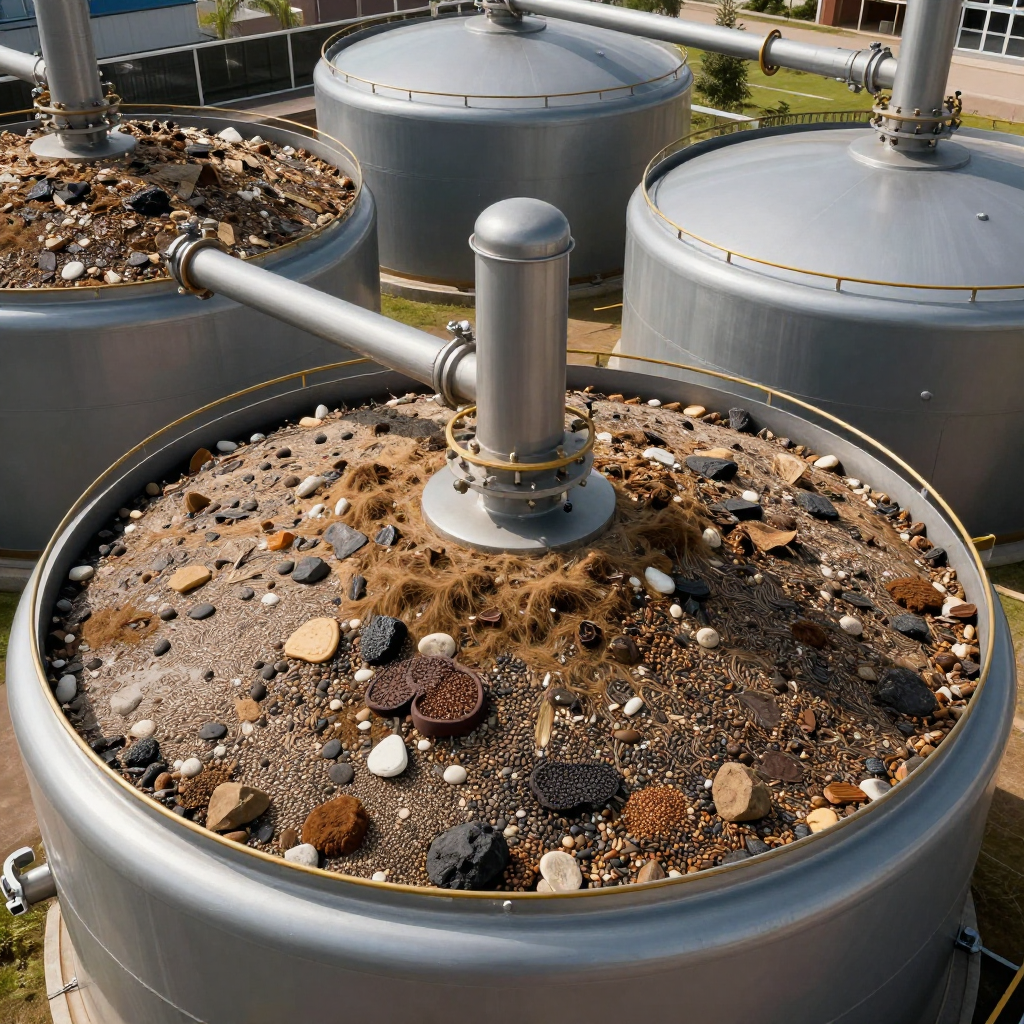
The technical process starts with anaerobic digestion, where microorganisms break down organic material inside sealed digesters. The gas produced—mostly methane and carbon dioxide—gets captured, cleaned, and either burned directly to generate electricity or upgraded into biomethane for grid injection. When integrated properly, this can feed directly into a data centre's power supply, offering a baseline load that doesn't rely on weather conditions or daylight hours.
This is the piece that makes biogas so attractive for crypto casino infrastructure specifically. Unlike solar or wind, which need storage solutions to smooth out gaps, biogas can provide a steady hum of power that matches the always-on demands of blockchain nodes and live gaming servers.
Case Studies and Emerging Projects in Europe
Europe has been quietly leading on this front, particularly with smaller, decentralized biogas installations rather than massive centralized plants. Organizations like crypto casino operators exploring sustainable hosting have taken note of, such as Micro4Biogas, are pushing forward micro-scale biogas technology that could serve localized infrastructure needs without requiring the enormous capital outlay of traditional biogas facilities. These smaller systems are designed to sit closer to where the energy is actually consumed, which reduces transmission losses and makes them a genuinely interesting fit for data centres that don't need utility-scale output but do need dependable, decentralized power.
UK Crypto Casino Operators Leading the Green Charge
While most operators are understandably tight-lipped about proprietary infrastructure details, industry chatter suggests several UK-facing crypto casino platforms have begun quietly partnering with green data centre providers or investing in carbon offset schemes tied to renewable generation. Some are exploring long-term energy contracts that include biogas as part of a broader renewable mix, rather than relying purely on offset certificates that don't necessarily reduce actual consumption.
Regulatory Pressure and Player Demand
It's not just top-down pressure from regulators. Players themselves, particularly younger demographics who grew up with ESG language baked into everyday consumer choices, are starting to ask questions about where their favourite platform's power comes from. The UK Gambling Commission's increasing focus on operator transparency has only added momentum, and I suspect we'll see sustainability disclosures becoming a standard part of licensing conversations within the next couple of years.
Benefits of Biogas Adoption for Crypto Casino Platforms
- Meaningful reduction in carbon footprint compared to grid electricity sourced from fossil fuels
- Potential long-term cost savings through localized, on-site or near-site energy generation
- Stronger brand positioning with environmentally conscious players
- Better alignment with anticipated UK green energy regulation over the next few years
- Reduced exposure to volatile fossil fuel pricing
Challenges and Limitations of Scaling Biogas for Data Centres
None of this comes without friction. Building out biogas infrastructure requires significant upfront capital, and feedstock availability isn't guaranteed everywhere—rural areas with agricultural waste have an obvious advantage over dense urban sites. Micro-scale plants also have output ceilings that may not fully cover a large data centre's peak demand, meaning most realistic setups will need to function as part of a hybrid system alongside solar, wind, or grid backup rather than a standalone solution.
The Future of Sustainable Crypto Gambling in the UK
Looking toward 2027 and beyond, I think we'll see UK policy start actively incentivizing renewable-powered digital infrastructure, possibly through tax relief or preferential licensing terms for operators who can demonstrate genuine emissions reductions. Partnerships between crypto casino platforms and biogas innovators like Micro4Biogas could become more common as the technology matures and costs come down. Consumer trends already point toward players favouring operators with visible sustainability commitments, and I expect that pressure to only intensify.
The move toward biogas-powered data centres represents a practical, if still early-stage, step for UK crypto casino platforms trying to reconcile rapid technological growth with genuine environmental responsibility. It won't solve every problem overnight, and hybrid renewable setups will likely remain necessary for years to come. But the direction feels right, and innovations in decentralized, small-scale biogas systems could well redefine how the entire online gambling sector thinks about powering its future.